


What to Know Before Leasing a Vehicle
Leasing a vehicle is a great option for those who want lower monthly payments and the ability to drive a new car every few years. However, before signing a lease, it’s important to understand the key aspects of leasing and how it differs from buying.
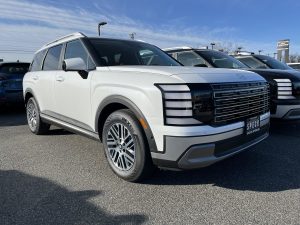
Key Considerations Before Leasing
1. Lease Terms & Mileage Limits
- Most leases last 24 to 36 months.
- Leases typically come with annual mileage limits (10,000-15,000 miles per year).
- Exceeding the mileage limit can result in extra fees per mile
2. Monthly Payments & Costs
- Leasing usually has lower monthly payments than financing.
- Be prepared for down payments, acquisition fees, and ,disposition fees.
- You’re responsible for maintenance and excess wear-and-tear charges.
3. End-of-Lease Options
- Return the vehicle and lease a new one.
- Purchase the leased vehicle if you want to keep it.
- Extend your lease if you need more time.
4. Insurance Requirements
- Leased vehicles often require higher coverage limits.
- GAP insurance may be required to cover potential depreciation gaps.
5. Customization & Restrictions
- Modifications to leased vehicles are usually not allowed.
- You must return the vehicle in good condition to avoid extra fees.
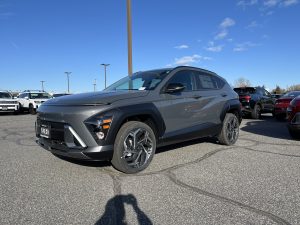
Final Thoughts
Come on over to Speck Hyundai of Tri-Cities, a top Hyundai dealer, and check out our large selection of new Hyundai’s available for lease. Be sure to ask if we have any specials or rebates available as well! Leasing can be a smart financial choice if you prefer lower payments and driving the latest models. Understanding the lease terms and potential costs will help you make an informed decision. Visit our dealership today to explore leasing options and find the perfect vehicle for you!
What is MSRP?
If you’ve ever shopped for a new Hyundai, you’ve likely come across the term MSRP. But what exactly does it mean, and how does it impact the price you pay for a vehicle? Here’s everything you need to know about MSRP.
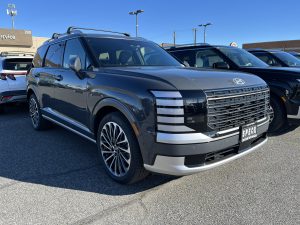
1. Definition of MSRP
MSRP stands for Manufacturer’s Suggested Retail Price. It is the price that the automaker recommends a dealer charge for a new vehicle. However, this price is not always the final sale price.
2. How is it Determined?
Automakers set the Manufacturer’s Suggested Retail Price based on several factors, including:
- Production Costs: The cost of materials and manufacturing.
- Market Demand: Popular models may have higher MSRPs.
- Competitor Pricing: MSRP is often set to remain competitive.
- Features & Trim Levels: Higher trims and added features increase MSRP.
3. MSRP vs. Actual Sale Price
While Manufacturer’s Suggested Retail Price provides a guideline, it’s important to know that the actual price you may differ:
- Dealer Markups: Some dealerships may charge more than Manufacturer’s Suggested Retail Price for high-demand vehicles.
- Negotiations: Buyers can often negotiate a price lower than Manufacturer’s Suggested Retail Price.
- Incentives & Discounts: Rebates, promotions, and trade-in offers can reduce the final cost.
4. Why is it Important?
Understanding Manufacturer’s Suggested Retail Price can help you:
- Compare prices across different dealerships.
- Determine if you’re getting a fair deal.
- Negotiate effectively when purchasing a vehicle.
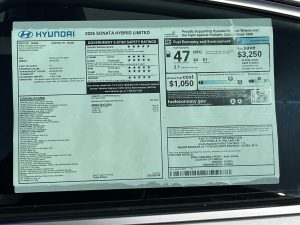
Final Thoughts
Come on over to Speck Hyundai of Tri-Cities and shop for your new Hyundai today. Make sure to check if we have any current Hyundai rebates or Hyundai discounts offers available for you as well!
How to Pronounce Hyundai
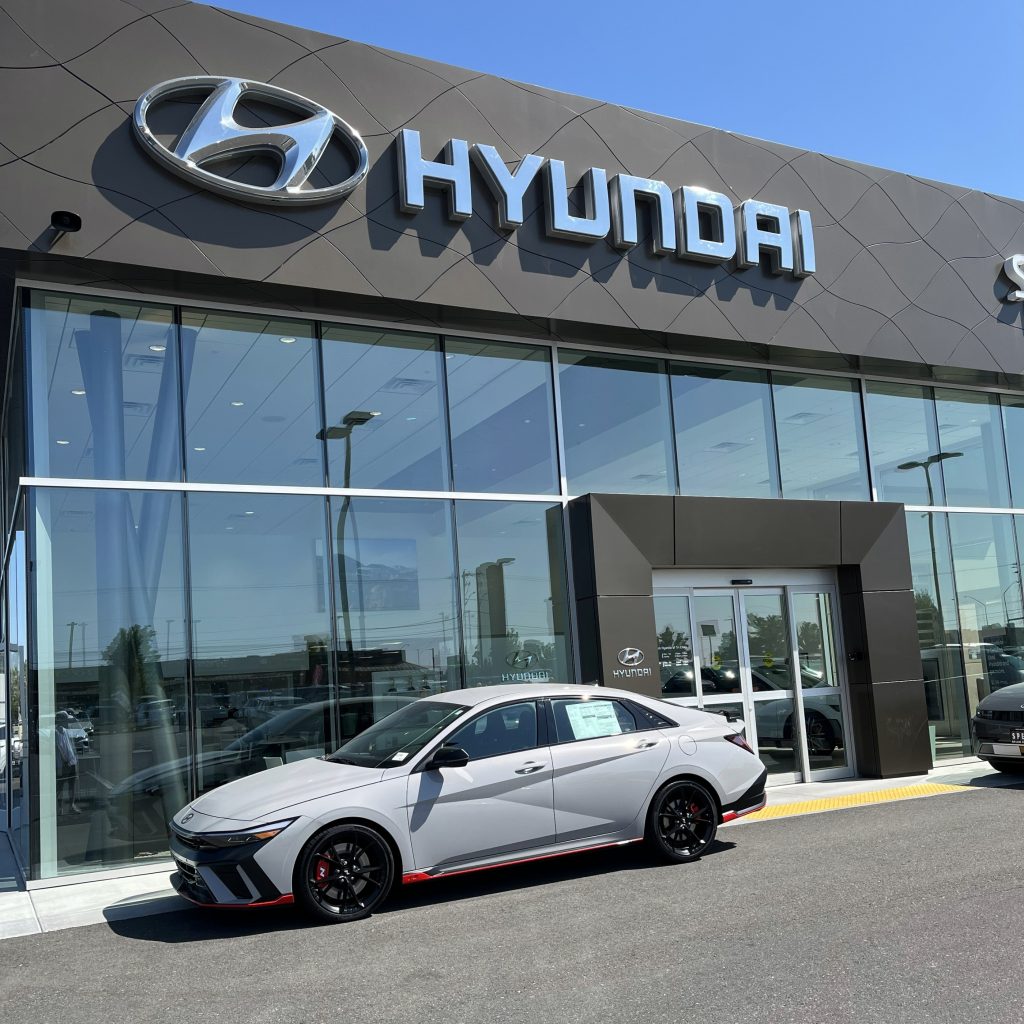
Hyundai is one of the most commonly mispronounced car brands in the United States. If you are in the market for a new vehicle or just want to learn how to say Hyundai correctly, here’s a simple guide on how to pronounce Hyundai.
The Correct Pronunciation of Hyundai
The correct pronunciation of Hyundai is:
“Hun-day”
- The first syllable sounds line “hun” (as in honey without the “-ey”)
- The second syllable sounds like “day”
Put together: Hun-day
Why Do People Say It Differently?
There are other people in the U.S. that you may hear say “Hy-un-dye” or “Hun-die.” The reason for this is often from reading the name phonetically in English rather than following the original Korean pronunciation.
Hyundai is a brand from South Korea, and in Korean, the name 현대 (Hyundai) means “Modern.” The company used a simplified two-syllable pronunciation in American marketing to make it easier and more consistent.
How Hyundai Says It in Commercials
If you listen closely to U.S. television or radio ads, you’ll hear the brand clearly pronounced as “Hun-day.” The company has intentionally emphasized this pronunciation in advertising to clear up confusion and keep branding consistent.
How Do We Say Hyundai?
We asked some of our staff how they pronounce Hyundai, below is the results:
Final Thoughts
Now that you know how to say Hyundai, you can shop for your favorite Hyundai model and specials at Speck Hyundai of Tri-Cities with confidence you are saying the brand right.
What is Hyundai’s New Car Warranty
One of the biggest advantages to consider while you are looking for a new Hyundai for sale is the brand’s industry leading warranty coverage. Compared to the leading car manufactures, Hyundai is known for offering one of the most generous new vehicle warranties. You know that you can get long term peace of mind from day one.
Hyundai’s 10-Year / 10,000-Mile Powertrain Warranty
Hyundai’s leading coverage is its 10-year/100,000-mile powertrain limited warranty. The covers many major components including:
- Engine
- Transmission
- Transaxle
- Drivetrain systems
This coverage excels in protecting against unexpected repair costs for some of the most expensive parts of your vehicle which is great for original owners.
5-year / 60,000-Mile New Vehicle Limited Warranty
On top of the above warranty, new Hyundai’s also come with a 5-year/60,000-mile bumper-to-bumper limited warranty. This covers the factory-installed components, offering elite coverage early into ownership.
Additional Warranty Benefits
Hyundai warranty also includes
- 7-year/unlimited-mile anti-perforation warranty (rust protection)
- 5-year/unlimited-mile roadside assistance
- Coverage for select emissions components
These added benefits make the overall ownership of your new Hyundai experience stronger with the extra reassurance.
Final Thoughts
One of the strongest new car warranties in the automotive industry belongs to Hyundai. Including the long-term powertrain protection and great bumper-to-bumper coverage, you can count on that your new Hyundai is backed by confidence. Come visit us at Speck Hyundai of Tri-Cities, a top rated Hyundai dealer, and learn even more about Hyundai’s new car warranty and more.
Speck Hyundai Named A CARFAX Top-Rated Dealer

CARFAX Top-Rated Dealer Awards are Based on Verified Customer Ratings and Reviews
CARFAX is proud to announce Speck Hyundai as a 2025 CARFAX Top-Rated Dealer! Every year, CARFAX honors dealerships across the nation for their exceptional service based on our verified customer ratings and reviews. The average rating for the 2025 CARFAX Top-Rated Dealers was an impressive 4.6 out of 5 stars based on verified consumer ratings.
We’re excited to celebrate dealers who truly raise the bar for their customers, said Gregg Cleary, Chief Revenue Officer at CARFAX. Powered by more than 10.6 million verified ratings and reviews, this recognition reflects real customer experiences and highlights dealerships built on trust and transparency. Our goal is to support consumers through their car journey, and a big part of that is connecting them with the most trusted dealers in the country.
This recognition is especially meaningful because it’s based on real customer reviews and experiences. It reflects our team’s commitment to providing exceptional service, transparency, and a car buying experience our customers can truly feel confident about. Thank you to everyone who has trusted Speck Hyundai. We couldn’t have done it without you!
– Speck Hyundai
Recognition for Speck Hyundai as a 2025 CARFAX Top-Rated Dealer can be found on the CARFAX Vehicle History Reports that the dealership provides to its customers.
About CARFAX
CARFAX, part of S&P Global Mobility, helps millions of people every day confidently shop, buy, service and sell cars with innovative solutions powered by CARFAX? vehicle history information. The expert in vehicle history since 1984, CARFAX provides CARFAX Car Listings, CARFAX Car Care, and the flagship CARFAX Vehicle History Report to consumers and the automotive industry. CARFAX owns the world’s largest vehicle history database and is nationally recognized as a top workplace by The Washington Post. Shop, Buy, Service, Sell – Show me the CARFAX?.
S&P Global Mobility is a division of S&P Global (NYSE: SPGI). S&P Global is the world’s foremost provider of credit ratings, benchmarks, analytics, and workflow solutions in the global capital, commodity, and automotive markets.
Conclusion
We want to thank our customers again for helping us in becoming a Top-Rated CARFAX dealer again! We take pride in being open and transparent with all of our used cars and CARFAX is there to help us give you all the information and peace of mind knowing that the vehicle you choose is the right one for you!
What is MSRP?
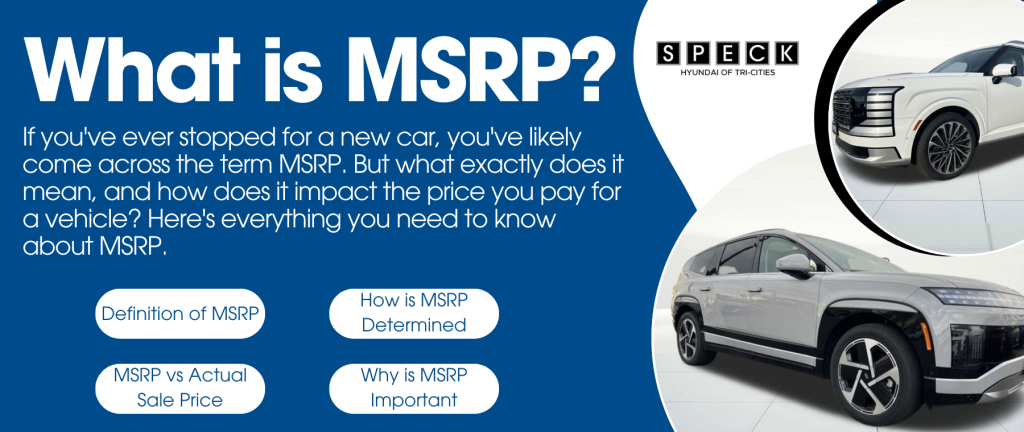
If you’ve ever shopped for a new car, you’ve likely come across the term MSRP. But what exactly does it mean, and how does it impact the price you pay for a vehicle? Here’s everything you need to know about MSRP and why it plays such an important role in the car-buying process.
1. Definition of Manufacturer’s Suggested Retail Price
MSRP stands for Manufacturer’s Suggested Retail Price. It is the price that the automaker recommends a dealer charge for a new vehicle. However, this price is not always the final sale price and should be viewed as a starting point.
2. How is MSRP Determined?
Automakers set the Manufacturer’s Suggested Retail Price based on several factors, including:
- Production Costs: The cost of materials and manufacturing.
- Market Demand: Popular models may have higher MSRPs.
- Competitor Pricing: Manufacturer’s Suggested Retail Price is often set to remain competitive.
- Features & Trim Levels: Higher trims and added features increase Manufacturer’s Suggested Retail Price.
3. MSRP vs. Actual Sale Price
While Manufacturer’s Suggested Retail Price provides a guideline, it’s important to know that the actual price you may differ:
- Dealer Markups: Some dealerships may charge more than Manufacturer’s Suggested Retail Price for high-demand vehicles.
- Negotiations: Buyers can often negotiate a price lower than Manufacturer’s Suggested Retail Price.
- Incentives & Discounts: Rebates, promotions, and trade-in offers can reduce the final cost.
4. Why is MSRP Important?
Understanding MSRP can help you compare prices across different dealerships. It help you determine if you’re getting a fair deal, and negotiate effectively when purchasing a vehicle. It also gives you a clear reference point when evaluating special offers or limited-time promotions.
Final Thoughts
MSRP serves as a benchmark price, but it’s not set in stone. By researching, negotiating, and taking advantage of discounts, you can often secure a better deal than the sticker price. Visit Speck Hyundai of Tri-Cities today to explore our inventory and find the best pricing options for you!
How to Prep Your Vehicle for Winter Driving
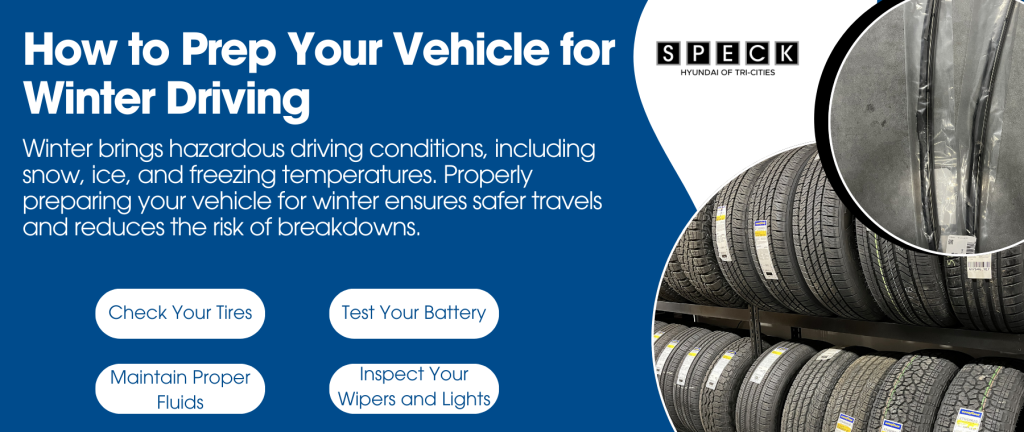
Winter brings hazardous driving conditions, including snow, ice, and freezing temperatures. Properly preparing your vehicle for winter ensures safer travels and reduces the risk of breakdowns. Here’s how to get your car winter-ready.
1. Check Your Tires
- Inspect Tread Depth: Worn tires lose traction on snow and ice. Consider replacing them if the tread depth is too low.
- Switch to Winter Tires: If you live in a clod climate, winter tires provide better grip and handling.
- Check Tire Pressure: Cold temperatures cause tire pressure to drop, so check and adjust it regularly.
2. Test Your Battery
- Cold Weather Weakness Batteries: A weak battery may not start in freezing temperatures.
- Check Battery Terminals: Clean corrosion and ensure secure connections.
- Test Battery Health: If your battery is older than three years, have it tested and replace it if necessary.
3. Maintain Proper Fluids
- Use Winter-Grade Oil: Some engines require thinner oil in colder months.
- Check Antifreeze Levels: Ensure your coolant is at the correct ratio to prevent freezing.
- Refill Windshield Washer Fluid: Use a winter formula that won’t freeze.
4. Inspect Your Wipers and Lights
- Replace Worn Wiper Blades: Snow and ice can make it hard to see, install winter wipers if needed.
- Ensure All Lights Work: Shorter days mean you’ll use headlights more. Clean and replace bulbs as necessary.
5. Keep an Emergency Kit
Pack essential winter supplies with items like:
- Ice scraper and snow brush
- Jumper cables
- Flashlight with extra batteries
- Warm blankets and gloves
- Non-perishable snacks and bottled water
- First aid kit
- Sand or kitty litter for friction
6. Keep Your Gas Tank Full
- Prevent Fuel Line Freezing: A full tank reduces moisture buildup that can freeze fuel lines.
- Be Prepared for Delays: If stuck in traffic or snow, having enough fuel keeps you warm.
7. Drive Safely in Winter Conditions
- Accelerate and Brake Slowly: This helps maintain control on slippery roads.
- Increase Following Distance: Stopping takes longer on icy roads.
- Be Cautious on Bridges and Overpasses: These freeze first and can be dangerously slick.
Final Thoughts
Winter driving requires extra preparation and caution. By taking the time to winterize your vehicle, you can improve safety, prevent breakdowns, and navigate icy roads with confidence. Stay proactive and drive carefully this winter season! Stop by or call our Speck Hyundai service department and see what tips our professionals can provide you as well
What is a Wheel Alignment?
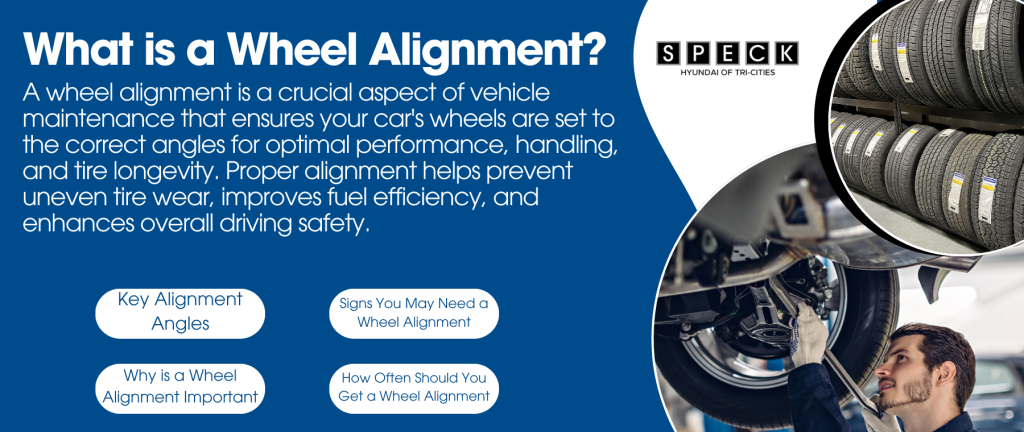
A wheel alignment is a crucial aspect of vehicle maintenance that ensures your car’s wheels are set to the correct angles for optimal performance, handling, and tire longevity. Proper alignment helps prevent uneven tire wear, improves fuel efficiency, and enhances overall driving safety. Here’s everything you need to know about wheel alignment.
A wheel alignment is the process of adjusting the angles of you vehicle’s wheels to match the manufacturer’s specifications. This ensures that your tires make proper contact with the road, reducing unnecessary wear and improving handling.
Key Alignment Angels
Wheel alignment involves adjusting three main angles:
- Camber: The tilt of the wheels when viewed from the front. Too much inward or outward tilt can cause uneven tire wear.
- Toe: The direction your tires point relative to each other when viewed from above. Incorrect toe alignment can cause excessive tire wear and steering issues.
- Caster: The angle of the steering axis when viewed from the side. Proper caster alignment ensures stability and smooth steering.
Signs You May Need a Wheel Alignment
- Uneven or rapid tire wear: If your tires are wearing out unevenly, misalignment could be the cause.
- Pulling to one side: If your car drifts left or right when driving straight, it may need an alignment adjustment.
- Crooked steering wheel: Your steering wheel should be centered when driving straight. If not, alignment may be off.
- Vibrations in the steering wheel: A shaking or vibrating steering wheel could indicate misalignment wheels.
Why is a Wheel Alignment Important?
- Extends Tire Life: Proper alignment reduces premature tire wear, saving you money on replacements.
- Improves Fuel Efficiency: Misaligned wheels create rolling resistance, making your engine work harder and reducing fuel economy.
- Enhances Driving Safety: Proper alignment improves handling and control, reducing the risk of accidents.
- Reduces Strain On Suspension: Misalignment can put extra stress on suspension components, leading to costly repairs.
How Often Should You Get a Wheel Alignment?
It’s recommended to check your alignment at least once a year or every 10,000-12,000 miles. However, you should also schedule an alignment if you:
- Hit a pothole, curb, or road debris
- Notice uneven tire wear
- Experience steering or handling issues
- Get new tires or suspension components installed
Final Thoughts
A wheel alignment is a simple yet essential service that keeps your car running smoothly and safely. If you notice any signs of misalignment, don’t delay. Schedule an alignment check with a trusted mechanic to ensure your vehicle stays in top condition.
What is Hyundai’s new car warranty?
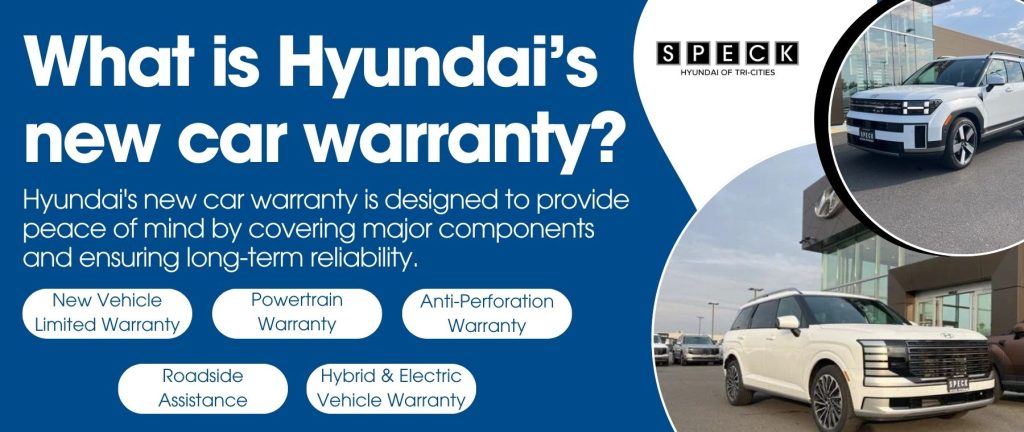
When purchasing a new Hyundai, you get one of the most comprehensive warranties in the industry. Hyundai’s new car warranty is designed to provide peace of mind by covering major components and ensuring long-term reliability. Here’s everything you need to know about Hyundai’s warranty coverage.
1. New Vehicle Limited Warranty
Hyundai offers a 5-year/60,000-mile New Vehicle Limited Warranty, covering repairs and defects due to manufacturing issues.
2. Powertrain Warranty
Hyundai provides an industry-leading 10-year/100,000-mile Powertrain Warranty, covering the engine, transmission, and drivetrain components.
3. Anti-Perforation Warranty
This 7-year/unlimited mileage warranty protects against rust holes caused by corrosion.
4. Roadside Assistance
Hyundai includes 5 years/unlimited miles of 24/7 Roadside Assistance, which covers services such as towing, battery jump-starts, flat tire assistance, and lockout help.
5. Hybrid & Electric Vehicle Warranty
For hybrid and electric models, Hyundai offers a 10-year/100,000 mile warranty on the battery and electric components.
Additional Benefits
- Lifetime Hybrid Battery Warranty (for select hybrid models)
- Complimentary maintenance for 3 years/36,000 miles (includes oil changes and tire rotations)
- Transferable warranties to new owners, adding resale value
Final Thoughts
Hyundai’s new car warranty stands out as one of the best in the industry, providing exceptional coverage and support. If you’re considering a Hyundai, visit our dealership today to learn more about the warranty and how it can benefit you!
New 2025 Hyundai Tucson Frequently Asked Questions
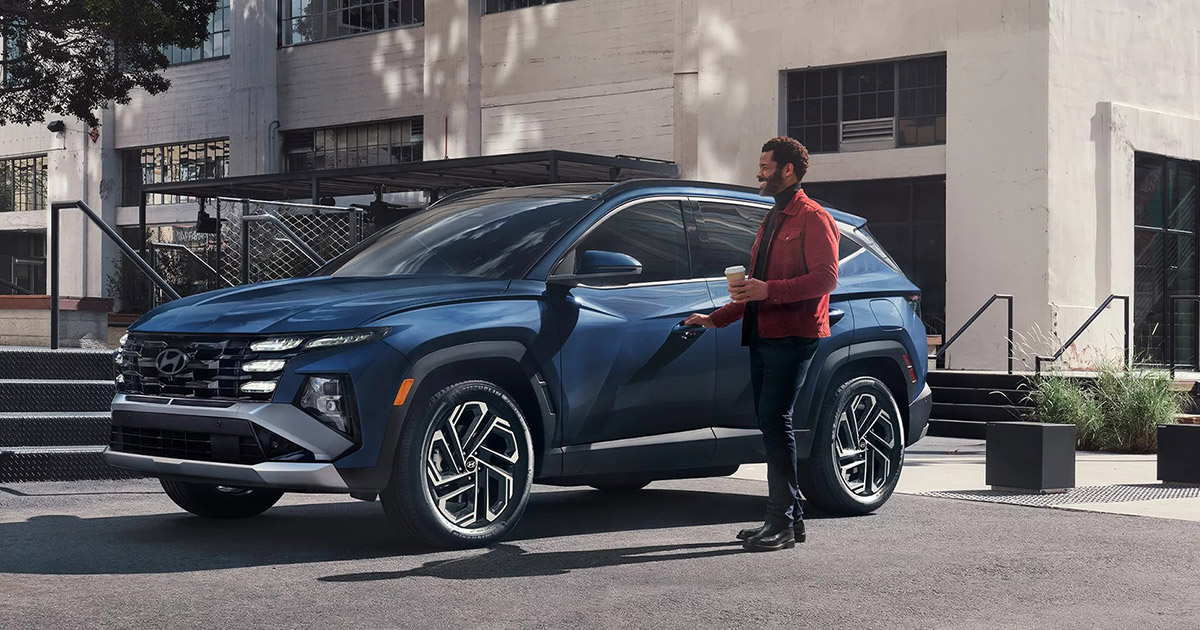
The 2025 Hyundai Tucson continues to be a top choice for SUV enthusiasts, offering a sleek design, advanced technology, and impressive efficiency. Below are some frequently asked questions to help you learn more about the new Tucson.
1. What Engine Options Are Available in the 2025 Hyundai Tucson?
The 2025 Tucson offers multiple powertrain options, including:
- 2.5L 4-cylinder engine (Standard)
- 1.6L turbocharged hybrid engine (Hybrid & Plug-in Hybrid models)
2. What Trim Levels are Available for the 2025 Tucson?
The Tucson is available in several trims to fit different needs and budgets:
- SE
- SEL
- XRT
- Limited
- Hybrid and Plug-in Hybrid versions
3. What is the Estimated Fuel Economy of the 2025 Hyundai Tucson?
Fuel efficiency varies by powertrain:
- Gasoline models: Up to 29 MPG combined
- Hybrid models: Up to 38 MPG combined
- Plug-in Hybrid models: Up to 33 MPG combined, with up to 33 miles of all-electric range
4. Does the 2025 Tucson Come with All-Wheel Drive?
Yes, Hyundai offers HTRAC All-Wheel Drive as an option gasoline models and standard on hybrid and plug-in hybrid versions.
Final Thoughts
The 2025 Hyundai Tucson offers an outstanding blend of efficiency, performance, and modern technology. Whether you’re looking for a family-friendly SUV or a fuel-efficiency hybrid, the Tucson has a model to fit your needs. Visit our dealership today to explore the new Tucson and schedule a test drive!
Connect with us


Speck Hyundai of Tri-Cities
Address
2910 W. Clearwater Ave
Kennewick, WA 99336
Phone
- Sales 509-715-0565
- Service 509-715-0714
- Parts 509-715-0736
| Monday | 9:00AM - 7:00PM |
| Tuesday | 9:00AM - 7:00PM |
| Wednesday | 9:00AM - 7:00PM |
| Thursday | 9:00AM - 7:00PM |
| Friday | 9:00AM - 7:00PM |
| Saturday | 9:00AM - 7:00PM |
| Sunday | 10:00AM - 6:00PM |
| Monday | 7:30AM - 5:30PM |
| Tuesday | 7:30AM - 5:30PM |
| Wednesday | 7:30AM - 5:30PM |
| Thursday | 7:30AM - 5:30PM |
| Friday | 7:30AM - 5:30PM |
| Saturday | 9:00AM - 5:00PM |
| Sunday | Closed |
| Monday | 7:30AM - 5:30PM |
| Tuesday | 7:30AM - 5:30PM |
| Wednesday | 7:30AM - 5:30PM |
| Thursday | 7:30AM - 5:30PM |
| Friday | 7:30AM - 5:30PM |
| Saturday | 9:00AM - 5:00PM |
| Sunday | Closed |