


Hyundai Tire Center in Kennewick, WA
New tires, alignments, rotations and seasonal changeovers from factory-trained Hyundai technicians with the right tire for Tri-Cities summers, Columbia Basin winters, and every pass in between.
Everything Your Tires Need
New Tire Sales and Installation
Major brands in stock or next-day, including OE tires matched to your Hyundai's original spec.
Tire Rotation
Moves tires between positions so they wear evenly and last longer. This typically happens every 7,500 miles, but it’s best to check your owner’s manual.
Mount and Balance
Computerized balancing eliminates highway vibration and uneven wear. This should be done with every new tire or if you feel a shimmy.
Wheel Alignment
Corrects camber, caster and toe so your car tracks straight and tires wear evenly. After new tires, a hard pothole, or if your vehicle is pulling to the side.
TPMS Service
Sensor diagnosis, replacement and relearn, so that dash light means something again.
Flat Repair
Industry-standard plug-patch repairs for punctures in the tread area or an honest answer if it can't be safely fixed.
Seasonal Changeover
Swap between summer/all-season and winter or studded sets — mounted, balanced and TPMS-checked. Studded tires can go on after November 1 and must be removed by March 31st.
Tire Storage
Keep your off-season set clean, dry and out of your garage.
Free Tire Inspection
Tread depth, pressure, sidewall damage and wear pattern check with any service visit.
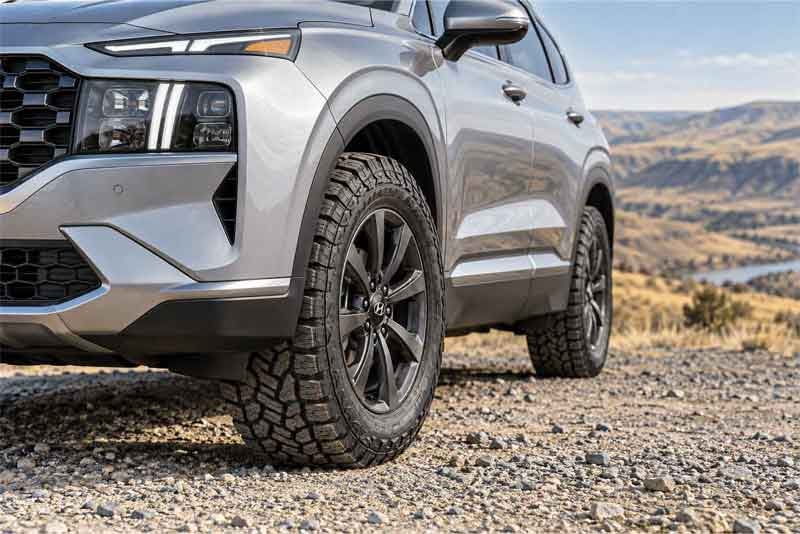
All-Season Tires
Built for a wide range of conditions — dry, wet and light snow. Most new Hyundais come with them. Great value and long tread life, but the rubber stiffens below about 45°F, so grip on snow and ice is limited.
PROS:
- Longest tread life and warranties
- Quiet, comfortable ride
- One set all year
TRADE-OFFS
- Limited grip on ice and packed snow
- Robber hardens in cold weather
- Most lack the 3PMSF snow rating
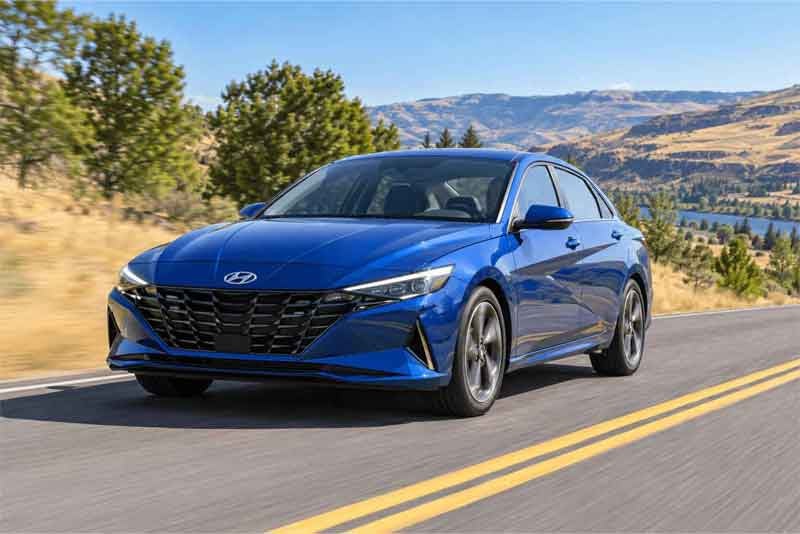
All-Weather Tires
A newer category that blends all-season comfort with a softer, more heavily siped tread. All-weather tires carry the Three-Peak Mountain Snowflake, meaning they're tested for snow traction — without needing a seasonal swap. All-season tires are a popular pick for Tri-Cities drivers because they are perfect for hot summers and occasional pass trips.
PROS:
- 3PMSF snow-rated
- No twice-a-year changeover
- Solid dry and wet performance
TRADE-OFFS
- Not as strong on ice as winter or studded
- Slightly shorter tread life than all-season
- Can wear faster in long summer heat

Winter Snow Tires
Soft compounds stay flexible in freezing temps, and deep tread with thousands of sipes bites into snow and slush. Studless winter tires get close to studded performance on ice without the noise or road wear. Tip: mount them on a second set of wheels to make changeovers faster and cheaper.
PROS:
- Excellent snow, slush, and cold pavement grip
- Strong ice traction without studs
- Legal year-round
TRADE-OFFS
- Wears quickly on warm pavement
- Requires a seasonal swap
- Softer handling on dry roads
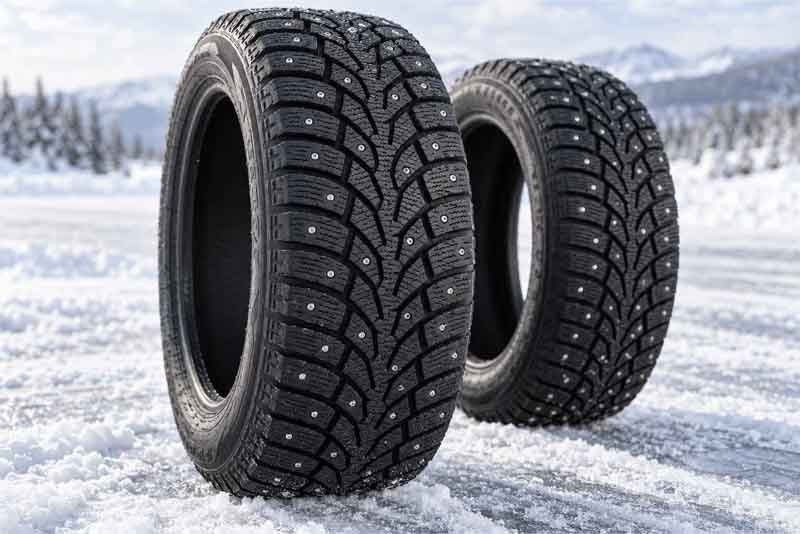
Studded Tires
Winter tires with small metal studs embedded in the tread to grip glare ice and hard-packed snow. In Washington, studded tires are only legal from November 1 to March 31.
PROS:
- Best traction on glare ice
- Confidence for frequent pass travel
- Strong packed-snow grip
TRADE-OFFS
- Only legal Nov 1- Mar 31 in WA
- Noisy and less grip on dry or wet pavement
- Contributes to road wear
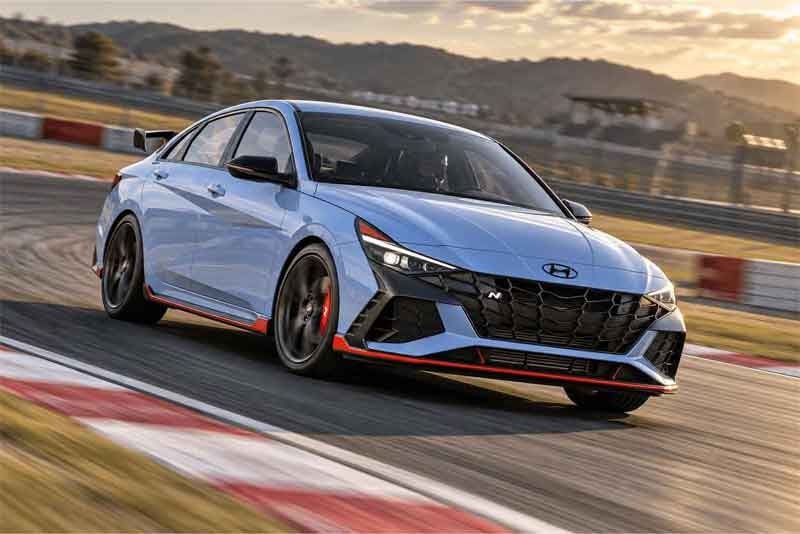
Summer/Performance Tires
Sticky compounds and stiff sidewalls for sharp handling and short braking distances in warm weather. Common on the Elantra N and IONIQ 5 N. Not designed for cold or snow.
PROS:
- Best dry and warm-wet grip
- Precise steering response
- Shorter braking distances in heat
TRADE-OFFS
- Unsafe on snow and ice
- Compound hardens below 45 Degrees
- Needs a winter set for Tri-Cities winters

All-Terrain Tires
A more aggressive tread for gravel, dirt and light trails with good on-road manners. Popular on the Santa Cruz, Santa Fe and Palisade. Many all-terrain models also carry the 3PMSF snow rating. Pro-Tip: Look for a 3PMSF-rated all-terrain tire if you want one set for trails and winter.
PROS:
- Tough, puncture-resistant construction
- Good on gravel, dirt, and snow
- Rugged look
TRADE-OFFS
- More road noise
- Can reduce fuel economy/EV range
- Less precise handling
| Type | Best For | 3PMSF Symbol | Swap Seasonally? | WA Rules | Trade Life |
|---|---|---|---|---|---|
| All-Season | Mild winters, mostly dry roads | No (M + S only) | No | Year-round | Longest |
| All-Weather | Year-round with real snow capability | Yes | No | Year-round | Long |
| Winter/Snow (Studless) | Snow, slush, cold pavement | Yes | Yes | Legal year-round but will wear fast | Shorter |
| Studded | Frequent ice and packed snow | Usually | Yes- required | Nov 1 – Mar 31 only | Shorter |
| Summer/Performance | Warm-weather grip and handling | No | Yes | Year-round but unsafe in snow | Moderate |
| All-Terrain | Santa Cruz, Palisade, gravel and trails | Some models | No | Year-round | Long |
Quick Tire Health Check
2/32”
- Legal Minimum Tread
- At this depth the built-in wear bars are flush with the tread. Insert a penny head-down, if you can see all of Lincoln's head, it's time.
4/32”
- Replace for Winter
- Below about 4/32", traction in rain and snow drops noticeably. Use a quarter, if you see the top of Washington's head, start shopping before winter.
About 3 PSI
- Lost per 30 Degrees Drop
- Tire pressure falls as temperatures drop, which is why the TPMS light pops on during the first cold morning. Check pressure monthly, using the door-jamb sticker spec.
Frequently Asked Questions About Tires
Do I have to buy tires from the dealers to keep my Hyundai warranty?
No. But our technicians know the factory tire specs, TPMS systems and alignment settings for every Hyundai, which helps you get the ride and efficiency your vehicle was designed for
Should I replace all four tires at once?
Usually yes, especially on AWD vehicles like the Tucson, Santa Fe, Palisade and IONIQ 5, where mismatched tread depths can strain the drivetrain. If your other tires are nearly new, ask us about matching or shaving a single tire.
Do EVs like the IONIQ 5 and IONIQ 6 need special tires?
EVs are heavier and deliver instant torque, so EV-rated tires are designed for higher load, lower rolling resistance (for range), and reduced road noise. We'll recommend tires rated for your EV.
When can I put studded tires on in Washington?
Studded tires are legal from November 1 through March 31. WSDOT can extend the deadline in some years — we'll post any changes here. Book your changeover early; late October and late March are our busiest weeks.
What’s the difference between “M+S” and the snowflake symbol?
M+S (mud and snow) describes the tread design. The Three-Peak Mountain Snowflake (3PMSF) means the tire passed a standardized snow-traction test. All-weather and winter tires carry 3PMSF; most all-season tires don't.
How long does a tire installation take?
Most installs with mount, balance and TPMS reset take about 60–90 minutes. Add an alignment and plan on 2 hours. Comfortable waiting area and Wi-Fi available, or ask about a shuttle.
Speck Hyundai of Tri-Cities
Address
2910 W Clearwater Ave
Kennewick, WA 99336
Phone
- Sales 509-715-0565
- Service 509-715-0714
- Parts 509-715-0736
| Monday | 9:00AM - 7:00PM |
| Tuesday | 9:00AM - 7:00PM |
| Wednesday | 9:00AM - 7:00PM |
| Thursday | 9:00AM - 7:00PM |
| Friday | 9:00AM - 7:00PM |
| Saturday | 9:00AM - 7:00PM |
| Sunday | 10:00AM - 6:00PM |
| Monday | 7:30AM - 5:30PM |
| Tuesday | 7:30AM - 5:30PM |
| Wednesday | 7:30AM - 5:30PM |
| Thursday | 7:30AM - 5:30PM |
| Friday | 7:30AM - 5:30PM |
| Saturday | 9:00AM - 5:00PM |
| Sunday | Closed |
| Monday | 7:30AM - 5:30PM |
| Tuesday | 7:30AM - 5:30PM |
| Wednesday | 7:30AM - 5:30PM |
| Thursday | 7:30AM - 5:30PM |
| Friday | 7:30AM - 5:30PM |
| Saturday | 9:00AM - 5:00PM |
| Sunday | Closed |