• Speck Hyundai of Tri-Cities

Blog / Automotive Financing

What is Hyundai's New Car Warranty

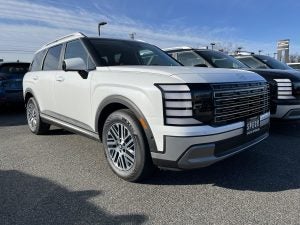
Image of a New 2026 Hyundai Santa Fe
One of the biggest advantages to consider while you are looking for a new Hyundai for sale is the brand's industry leading warranty coverage. Compared to the leading car manufactures, Hyundai is known for offering one of the most generous new vehicle warranties. You know that you can get long term peace of mind from day one.

Hyundai's 10-Year / 10,000-Mile Powertrain Warranty

Hyundai's leading coverage is its 10-year/100,000-mile powertrain limited warranty. The covers many major components including:
  • Engine
  • Transmission
  • Transaxle
  • Drivetrain systems
This coverage excels in protecting against unexpected repair costs for some of the most expensive parts of your vehicle which is great for original owners.

5-year / 60,000-Mile New Vehicle Limited Warranty

On top of the above warranty, new Hyundai's also come with a 5-year/60,000-mile bumper-to-bumper limited warranty. This covers the factory-installed components, offering elite coverage early into ownership.

Additional Warranty Benefits

Hyundai warranty also includes
  • 7-year/unlimited-mile anti-perforation warranty (rust protection)
  • 5-year/unlimited-mile roadside assistance
  • Coverage for select emissions components
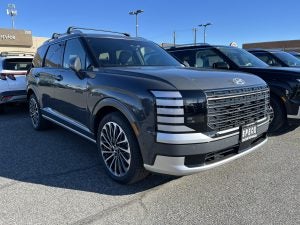
These added benefits make the overall ownership of your new Hyundai experience stronger with the extra reassurance. Image of a New 2026 Hyundai Palisade
Final Thoughts

One of the strongest new car warranties in the automotive industry belongs to Hyundai. Including the long-term powertrain protection and great bumper-to-bumper coverage, you can count on that your new Hyundai is backed by confidence. Come visit us at Speck Hyundai of Tri-Cities, a top rated Hyundai dealer, and learn even more about Hyundai's new car warranty and more.

Posted in:

Related Posts

Image of a new 2026 Hyundai Palisade

What to Know Before Leasing a Vehicle

Leasing a vehicle is a great option for those who want lower monthly payments and the ability to drive a new car every few years. However, before signing a lease, it's important to understand the key aspects of leasing and how it differs from buying. Key Considerations Before Leasing 1. Lease Terms & Mileage Limits Most leases last 24 to 36 months. Leases typically come with annual mileage limits (10,000-15,000 miles per year). Exceeding the mileage limit can result in extra fees per mile 2. Monthly Payments & Costs Leasing usually has lower monthly payments than financing. Be prepared for down payments, acquisition fees, and , disposition fees. You're responsible for maintenance and excess wear-and-tear charges. 3. End-of-Lease Options Return the vehicle and lease a new one. Purchase the leased vehicle if you want to keep it. Extend your lease if you need more time. 4. Insurance Requirements Leased vehicles often require higher coverage limits. GAP insurance may be required to cover potential depreciation gaps. 5. Customization & Restrictions Modifications to leased vehicles are usually not allowed. You must return the vehicle in good condition to avoid extra fees. Final Thoughts Come on over to Speck Hyundai of Tri-Cities, a top Hyundai dealer, and check out our large selection of new Hyundai's available for lease. Be sure to ask if we have any specials or rebates available as well! Leasing can be a smart financial choice if you prefer lower payments and driving the latest models. Understanding the lease terms and potential costs will help you make an informed decision. Visit our dealership today to explore leasing options and find the perfect vehicle for you!

Informative graphic answering what is MSRP

What is MSRP?

If you've ever shopped for a new car, you've likely come across the term MSRP. But what exactly does it mean, and how does it impact the price you pay for a vehicle? Here's everything you need to know about MSRP and why it plays such an important role in the car-buying process. 1. Definition of Manufacturer's Suggested Retail Price MSRP stands for Manufacturer's Suggested Retail Price. It is the price that the automaker recommends a dealer charge for a new vehicle. However, this price is not always the final sale price and should be viewed as a starting point. 2. How is MSRP Determined? Automakers set the Manufacturer's Suggested Retail Price based on several factors, including: Production Costs: The cost of materials and manufacturing. Market Demand: Popular models may have higher MSRPs. Competitor Pricing: Manufacturer's Suggested Retail Price is often set to remain competitive. Features & Trim Levels: Higher trims and added features increase Manufacturer's Suggested Retail Price. 3. MSRP vs. Actual Sale Price While Manufacturer's Suggested Retail Price provides a guideline, it's important to know that the actual price you may differ: Dealer Markups: Some dealerships may charge more than Manufacturer's Suggested Retail Price for high-demand vehicles. Negotiations: Buyers can often negotiate a price lower than Manufacturer's Suggested Retail Price. Incentives & Discounts: Rebates, promotions, and trade-in offers can reduce the final cost. 4. Why is MSRP Important? Understanding MSRP can help you compare prices across different dealerships. It help you determine if you're getting a fair deal, and negotiate effectively when purchasing a vehicle. It also gives you a clear reference point when evaluating special offers or limited-time promotions. Final Thoughts MSRP serves as a benchmark price, but it's not set in stone. By researching, negotiating, and taking advantage of discounts, you can often secure a better deal than the sticker price. Visit Speck Hyundai of Tri-Cities today to explore our inventory and find the best pricing options for you!

Car key being handed over, symbolizing a vehicle sale or rental transaction in a showroom

How to Get a Car Loan with Limited Credit History

Having no credit history can make it seem challenging to secure a car loan, but it's not impossible. Lenders understand that everyone has to start somewhere, and these are strategies to help you get approved even if you're new to credit. Here's how you can successfully get a car loan with no credit history. Look for Lenders That Work with No Credit Buyers Many lenders and financial institutions offer car loans specifically designed for individuals with no credit history. Credit unions, dealership financing programs, and lenders specializing in first-time buyers can be great options. It's important to research and compare different lenders to find the best terms and interest rates available to you. Consider a Co-Signer A co-signer with an established credit history can significantly increase your chances of getting approved for a car loan. Lenders will consider the co-signer's creditworthiness, making it easier to secure better loan terms. However, keep in mind that the co-signer is equally responsible for the loan, so timely payments are essential to maintain both of your credit scores. Save for a Larger Down Payment A substantial down payment reduces the lender's risk and demonstrates your commitment to the purchase. If you can put down 10% to 20% of the car's price, you'll improve your chances of approval and possibly secure a lower interest rate. Choose an Affordable Vehicle When you have no credit history, opting for a more affordable car can make approval easier. Lenders may be hesitant to approve large loans without a proven credit track record. A modestly priced, reliable vehicle will help keep monthly payments manageable and improve your ability to build credit. Show Proof of Income and Stability Lenders want to see that you have a steady income and can handle monthly payments. Be prepared to provide pay stubs, bank statements, and proof of employment to strengthen your loan application. The more stable your financial situation appears, the better your chances of approval. Explore First-Time Buyer Programs Many car manufacturers and dealerships offer first-time buyer programs designed for individuals with no credit history. These programs often come with lower down payment requirements and competitive financing options. Final Thoughts Getting a car loan with no credit history is possible with the right approach. By researching lenders, considering a co-signer, saving for a down payment, and choosing an affordable vehicle, you can increase your chances of approval. Additionally, building credit before applying and demonstrating financial stability will work in your favor. With responsible borrowing and timely payments, you can establish a solid credit history and unlock better financing options down the road. The information provided is for general informational purposes only and does not constitute legal, financial, or professional advice. While we strive to provide accurate and up-to-date information, we make no guarantees regarding the completeness, accuracy, or reliability of the information presented. Any action you take based on the context of this blog is strictly at your own risk. Always consult a qualified professional or specialist for advice specific to your situation. We are not responsible for any losses or damages arising from the use of this blog or its content.